The geography wing
Practice Iraq

No questions here on Turning points, Religion — nothing recorded for Iraq.

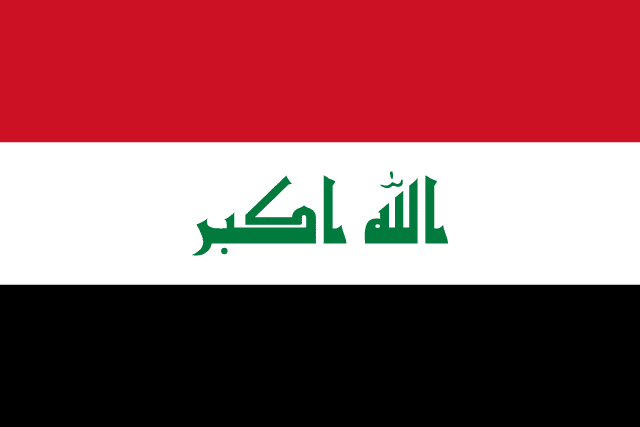
Flag of Iraq

Iraq

IQ / IRQ   33.0°, 43.0°

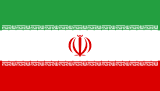
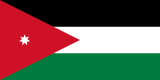
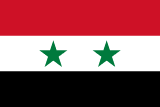
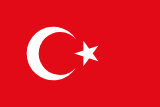
Iraq, officially the Republic of Iraq, historically known in the west as Mesopotamia, is a country in West Asia. Located within the Middle East, it is bordered by Saudi Arabia to the south, Turkey to the north, Iran to the east, the Persian Gulf and Kuwait to the southeast, Jordan to the southwest, and Syria to the west. The country covers an area of 438,317 square kilometres (169,235 sq mi) and has a population of over 46 million, making it the 58th largest country by area and the 31st most populous in the world. Baghdad, home to over 8 million people, is the capital city and the largest in the country.

Read Iraq on Wikipedia  ·  Recent news from Iraq

You have not been asked about Iraq yet.

People are called
Iraqi
Driving side
Right
Calling code
+964
Capital
Baghdad
Population
46,118,793
Area
437,072 km2
Climate
Desert or arid
Government
Federal parliamentary republic
Currency
Iraqi dinar
Languages
Arabic, Kurdish
Sells
crude petroleum, refined petroleum, petroleum coke, gold
Sells to
China 33%, India 28%, USA 8%
Land borders
6: Iran, Jordan, Kuwait, Saudi Arabia ...
Drives on the
right
Calling code
+964
Founded
1932
Hemisphere
Northern

WHAT PEOPLE ARE CALLED

Iraqi

These are English demonyms for people from Iraq. A demonym describes a connection to a place; it does not mean everyone shares an ethnicity, language or religion.

Demonym source: mledoze/countries · Download the attributed dataset (ODbL)

Practice demonyms around the world →

SAME LAND, DIFFERENT WORLDS

Civilizations, flags & standards

Practice this section → 10 questions

Practice these historical flags around the world →

Modern borders are a starting point for exploring the past. These cultures and states occupied some of the same land; they were not the same country. Dates describe each civilization or state as a whole, not continuous rule over every place listed.

Artifact, not a flag

Sumer

c. 4500–1900 BCE

City-states of southern Mesopotamia, in present-day southern Iraq.

City and divine emblems survive in art. The object called the Standard of Ur is not a cloth flag; its original function is uncertain.

Explore the evidence & illustrations →
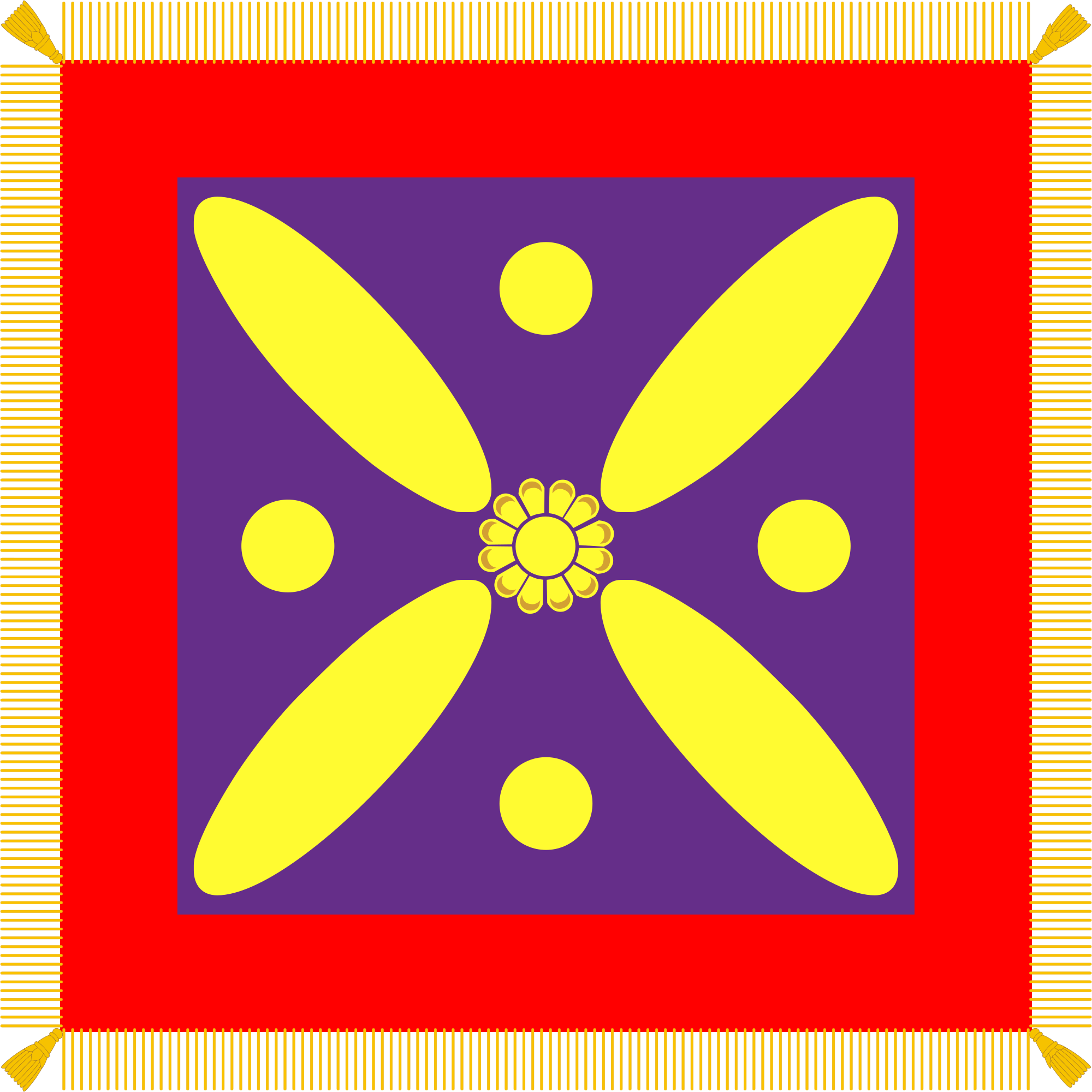
Reported standard

Achaemenid Empire

c. 550–330 BCE

An empire centered in Iran; parts of these modern countries were held at different times, not for its entire lifespan.

Ancient accounts describe an eagle standard. Modern flag reconstructions should not be mistaken for a surviving national flag.

Explore the evidence & illustrations →

Follow it across today's borders

Explore the history of this land · Browse civilizations & empires

Turning points

A curated timeline is not available yet. Explore the country's history and the historical figures below.

Read the historical overview →

Religion: state & society

An official religion is a legal status. The largest religious group is a population measure. Neither describes every person's beliefs.

Official status and a dated affiliation breakdown have not been checked for this country. The atlas's religion tags are not a population ranking.

BEYOND THE MAP

Iraq in the study desk

Places and things the general-knowledge library connects to Iraq. Open one to follow its connections, then practise them with typed recall.

Food & drink 2

Geography 1

Follow Iraq into the rabbit holes →

Choose your next rabbit hole

Where it is

Languages

Share of the population that speaks each. Click one to see every country that speaks it.

Arabicofficial
—
Kurdishofficial
—

Largest cities

Baghdad  capital 7,216,000
Mosul 1,683,000
Erbil 1,612,700
Basra 1,326,564

Wars and conflicts

Conflicts this country is attached to. Click one to see the others. Each says what kind of claim it is: a principal belligerent is hand-checked against the modern state that succeeded the power that fought, while a recorded participant comes from the bulk import, which does not separate combat from funding, basing, occupation or reconstruction. Neither list is complete, so a country missing from a war may still have taken part — which is why the quiz no longer asks who fought in what.

Form of government

Federal parliamentary republic.

Climate and geography

mostly desert; mild to cool winters with dry, hot, cloudless summers; northern mountainous regions along Iranian and Turkish borders experience cold winters with occasionally heavy snows that melt in early spring, sometimes causing extensive flooding in central and southern Iraq

Highest point

Northern hemisphere.

Figures from its history

Saddam Hussein
Saddam Hussein Ruler, 1979-2003 Saddam Hussein was an Iraqi politician and revolutionary who served as the fifth president of Iraq from 1979 until his overthrow in 2003 during the Iraq war.
Hammurabi
Hammurabi Babylonian king and lawgiver Hammurabi, also spelled Hammurapi, was the sixth Amorite king of Babylon, reigning from c. 1792 BC to c. 1750 BC.
Faisal I of Iraq
Faisal I of Iraq First king of modern Iraq Faisal I bin Hussein bin Ali al-Hashimi was a Hejazi statesman who served as the King of Iraq from 23 August 1921 until his death in 1933.
Corrected in an AI-assisted review of the imported data (2026-09-22), not yet checked against a named source: cities, languages, population.